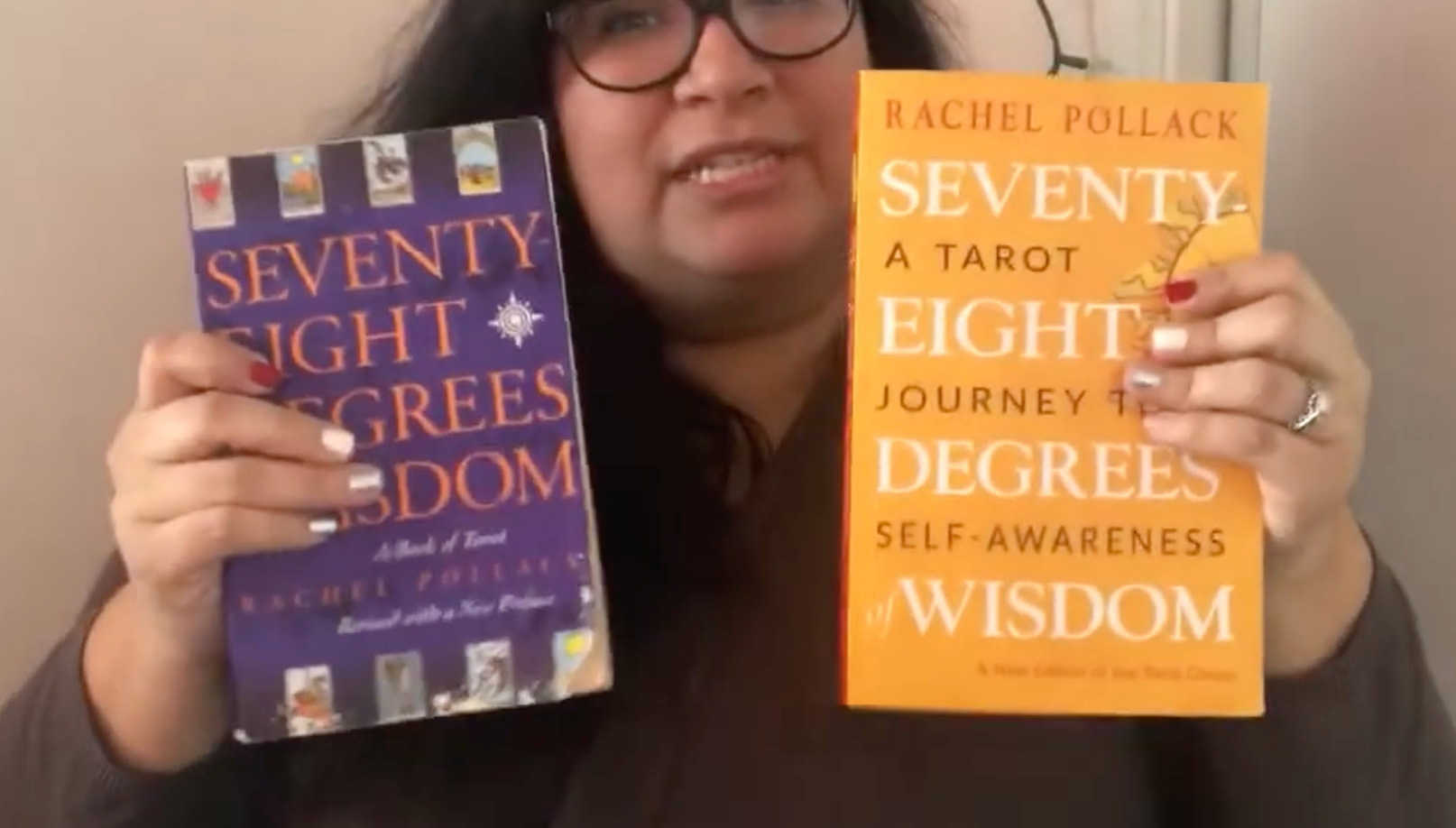
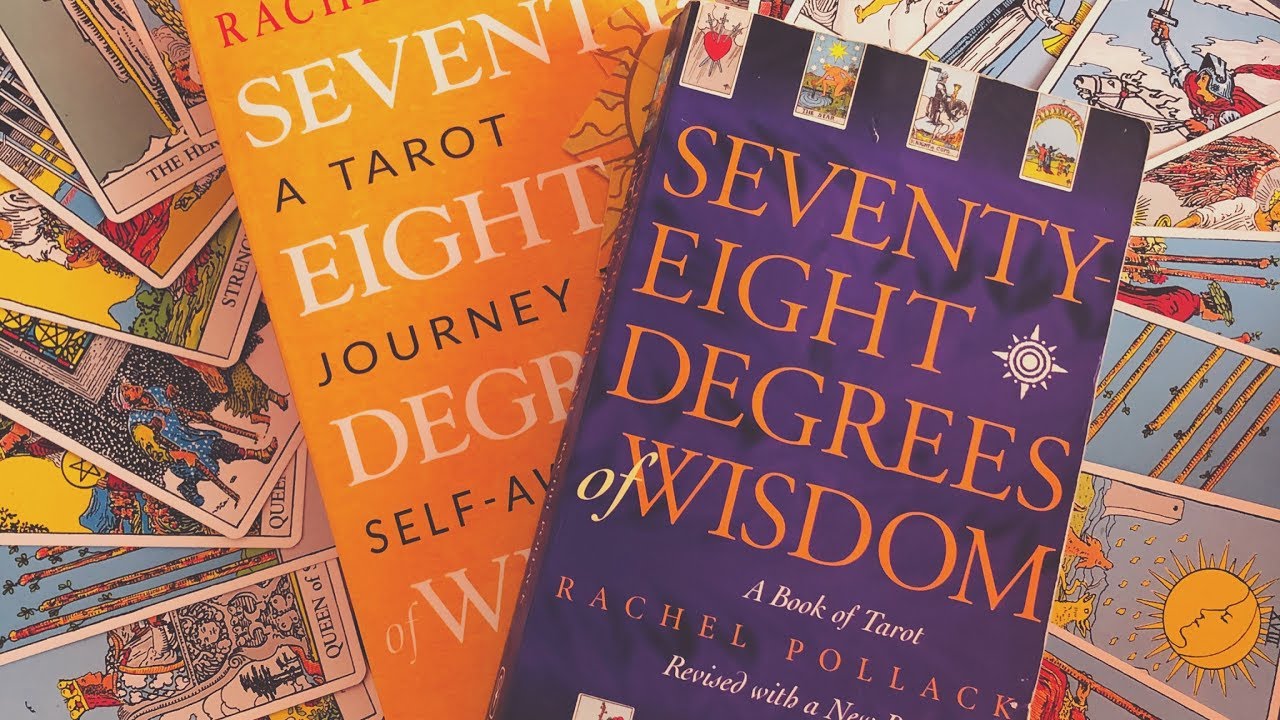
I’m not a complete Tarot beginner, but I just picked up 78 Degrees of Wisdom, and I’m about halfway through so far. Has anyone else read this for their Tarot practice?
So far, I think it could be the perfect Tarot book for a beginner, but the individual card meanings aren’t blowing my mind or anything, and it doesn’t seem to be anything I haven’t seen before in other texts. Maybe I’m just biased but I feel like you can learn more about the Tarot from our guides here 
I do like how Pollack writes about the cards, but I don’t know if everyone really needs to read this (and that’s what some fans seem to think). I don’t know. I think I went in expecting it to hit harder right away and instead it’s more of a slow burn. Which isn’t bad, just not what I expected.
Wondering if it clicks more on a reread tbh. Some books are like that for me with tarot stuff.
8 Likes
Most readings leave you with more questions than answers.
Get unlimited tarot readings and actually ask the follow-up. Full spreads, not generic meanings or automated generators.
→ Get Your Unlimited Readings Here ←
One of the very few Tarot books I’ve read more than once.
Great video on it here:
2 Likes
The card meanings feel familiar for a reason. 78 Degrees was so influential that basically everything in it has been absorbed into standard tarot canon by now - you’re reading the original source of ideas you’ve already encountered elsewhere. That’s why it feels like you already know this stuff.
If you want to get value from it on reread, try approaching it as understanding where modern tarot interpretation actually comes from. The genealogy of the ideas, not the ideas themselves. In the same way, knowing Freud helps with film theory even when Freud himself is outdated.
1 Like
Honestly, it’s more of a reference book than anything. I keep coming back to 78 Degrees, but it didn’t hit hard on first read.
I think there is a reason all the best Tarot readers in the world swear by the book, but I don’t know if it’s really the best book for beginners to start with.
Once you sit with the original symbolism she unpacks, it deepens your readings way more than you’d expect. I’ve been playing around with Kabbalah correspondences in my spreads lately and that’s what made me notice how deliberately vague Pollack can be. Rather than just handing you fixed static meanings to memorize, she wants you to explore how cards interact with each other and with the question itself, which most authors don’t do.
Kind of frustrating at first if you want clear answers but the best way to go deeper into your card meanings. The payoff is there if you stick with it… just takes a while to click.
5 Likes
This works much better as a second or third book. Not your first. My grandmother taught me to read cards years ago, so I was already past the basics when I picked it up - and that’s where it clicked for me.
There’s a lot of flowery backstory and personal interpretation woven through the whole thing (which I actually loved), but the actual card meanings kind of get buried under all that context. If you’re just trying to learn fundamentals… yeah, I could see that being frustrating.
The author passed away a while ago, a blow to the Tarot community as a whole. Her wisdom lives on through books she left behind and I don’t know if anyone changed the practice as much.
Most of those authors you’re comparing to probably cut their teeth on Pollack’s book first. She was a trailblazer for Tarot content creators and writers.
78 Degrees came out in the early '80s, there was basically nothing else out there for tarot readers. So the sources that feel more polished or comprehensive now are standing on that foundation, whether they acknowledge it or not.
The best thing I’ve gotten from tarot books is just seeing how different authors interpret the same cards. Like someone will have this completely unexpected take on the 3 of Swords and it just reframes everything. Never would have gotten there on my own.
I did notice Rachel Pollack’s books kinda repeat each other though. Good stuff, but diminishing returns after a while. So now I’m trying to branch out to different authors instead of just going deeper with one person (which was my habit for way too long).
1 Like