I’ve been feeling called to explore Native American tarot decks lately, especially after some intense spiritual work around ancestral healing and clearing old patterns.
Something about how indigenous wisdom approaches the Fool’s journey feels like it could unlock new insights in my readings. I’m looking for a deck that honors the traditions authentically while still being accessible for someone learning. Not trying to appropriate anyone’s culture, just work with the spirits that the native Americans were familiar with.
Which Native American tarot decks have you found most powerful for deep spiritual work? Bonus points if the guidebook actually explains the cultural symbolism behind each card.
21 Likes
Most readings leave you with more questions than answers.
Get unlimited tarot readings and actually ask the follow-up. Full spreads, not generic meanings or automated generators.
→ Get Your Unlimited Readings Here ←
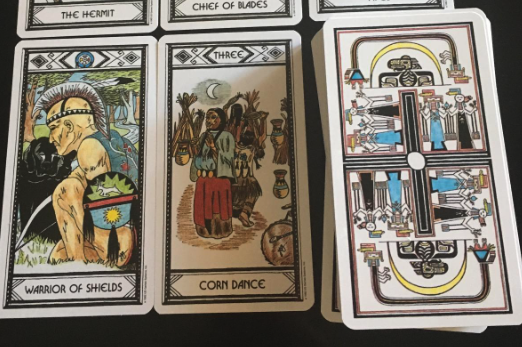
So… the obvious choice, but a solid one, is the actual Native American Tarot. It’s not your usual RWS deck so you’ll need to study a little bit but it’s a great deck.
Alternatively…
If you’d rather have the traditional Tarot RWS style but some Native American artstyle, then Vision quest would be my pick:
Hey, I’m still pretty new but Vision Quest Tarot has worked well for me. The minors have keywords that make learning easier, and there are meditation exercises in the guidebook that keep things practical.
For classic tarot with Native history, check out Ancestral Path Tarot, they dedicated a whole suit to a Native North American story and the book actually explains the scenes, which is nice.
I’ve been doing this Four Directions thing before my spreads:
Works with whatever deck you’re using. Just make sure to get decks that credit specific Nations or consultants. Skip anything that just throws symbols together. I try to learn from living Native voices while using tarot as one way to explore.
Are you interested in any specific region or Nation? Could help you find the right deck.
The Sacred Path Cards by Jamie Sams might resonate with what you’re looking for. It’s technically an oracle deck but works beautifully alongside tarot for deeper readings. The guidebook goes deep into the teachings behind each card.
Santa Fe Tarot is another option - it incorporates Navajo, Apache and Pueblo symbolism. The minor arcana uses the four directions which adds this whole other layer to readings.
Just be mindful that some decks marketed as “Native American” were created without actual indigenous input. The Medicine Cards by Jamie Sams and David Carson gets recommended a lot because it was created with elders’ guidance, though again it’s an oracle, not tarot. If you care about that (you don’t have to IMO).
Medicine Wheel Tarot by Michelle Buchholz is worth checking out. She’s Cree and the deck actually follows the medicine wheel teachings properly.
The art is gorgeous too. My only complaint is the guidebook could be more detailed but the cards themselves speak volumes once you start working with them regularly.
Sorry if this is off-topic, but I have to say these decks looks beautiful. The art is really nice. I don’t think I’d connect with it for readings though since I don’t have any cultural background with Native American traditions. I tend to work better with decks that match my own experiences. I am curious about which specific stories and archetypal figures inspired the cards. If anyone knows more about the cultural symbolism in this deck, I’d love to hear about it.
I don’t know your background (and no judgment to anyone for wanting to work with cards from another background), but I’d suggest starting with learning about the medicine wheel itself before diving into any deck. Understanding the four directions, the colors, the seasons - all of that context makes the cards way more meaningful. Braiding Sweetgrass isn’t about tarot but it helped me understand the indigenous worldview better.
I’m all for anyone working with Native American cards - but I would suggest understanding what you’re working with, don’t do it for the art style.
Picked up the Santa Fe Tarot last month. The court cards threw me off at first because they replaced them with tribal roles. Instead of your typical King of Cups, you’re working with a Chief. The Queen becomes a Medicine Woman. Takes some getting used to, but the cultural context adds something to the readings.
Please, please, please make sure whatever deck you get actually benefits indigenous communities.
Some of these decks are made by white people profiting off native imagery. Look for indigenous artists and authors. Even better if proceeds go back to tribal organizations or indigenous causes.
Vision Quest Tarot uses sacred sites and native symbolism but… idk something about it feels off to me. Like it’s trying too hard? Granted I’m not indigenous so maybe I’m not the best judge. But compared to decks made by actual native artists, you can feel the difference in authenticity.
If you’re doing ancestral clearing work, consider that your ancestors might not have been connected to Native American traditions at all. Sometimes we get drawn to certain spiritual paths because they’re powerful, not because they’re “ours.” Maybe explore your own ancestral divination traditions too? Just a thought.
Real talk - some of the most popular “Native American” spiritual tools out there are straight up cultural appropriation.
Sage bundles at Urban Outfitters, dream catchers made in China. If you’re serious about working with these traditions respectfully, buy directly from indigenous sellers.
Etsy has indigenous-owned shops that sell authentic spiritual tool,s including some card decks.
Did a reading with my Vision Quest deck yesterday. The Native-themed cards really don’t fit with Golden Dawn correspondences. I was trying to use the 7 of Wands for timing (Mars in Leo, standing your ground and all that), but their version is renamed and has this whole communal thing going on.
Made my usual decan timing approach pretty useless. The card was more about working together than the traditional meaning.
The art varies a lot. In Native American Tarot you get realistic portraits with symbolic backdrops. Path of the Feather goes softer with loose watercolor.
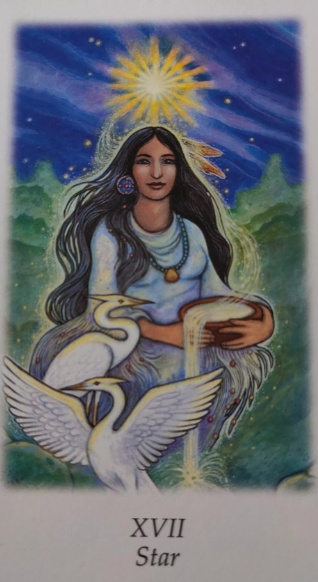
Yeah, this deck keeps catching my eye. It has this sacred quality that makes me hesitate before even touching it. The art is incredible. The World as Turtle Island really stands out to me, that creation mythology connection is something else.
My childhood friend was Oji-Cree and I learned so much from her family about these traditions. Makes me wonder about non-Indigenous folks using it, though. As long as we honor where it comes from, nobody will have a problem with you using it.
Last week I used Asha Frost’s Animal Elders Oracle for a spread. It was during the waxing crescent moon. Love that she worked with indigenous artists on it.
The symbolism in the cards adds something to the readings that I don’t get with other decks.
As someone with Native blood, this deck gives me mixed feelings.
Looking at it, I see symbols and practices from many different nations all blended together. It creates this generalized aesthetic instead of honoring how each tribe has their own spiritual traditions. The High Priestess teaches us to see beyond surface appearances and respect deeper truths. That’s what I’m trying to do here.
Every nation has its own medicine, its own sacred stories, you can’t just mix them all together. It’s like how each tarot card holds specific wisdom that shouldn’t be confused with others. Not trying to dismiss anyone’s spiritual experience here.
Just think it’s worth being aware of these things when we use these tools.
The Gentle Tarot could be worth checking out, it’s by a Native artist and the artwork is pretty accessible. Been working with it myself and it has this nature-focused take on the cards while keeping indigenous perspectives in mind.
Working with indigenous wisdom traditions when you’re not indigenous yourself requires constant checking in with yourself about intention and impact. Are you learning or taking? Are you supporting indigenous communities or just consuming their spirituality?
These aren’t always comfortable questions, but they’re necessary ones if you really want to do this work ethically.
The Native American Tarot pulls from four corners: Eastern, Plains, Southwest, and Northwest Nations.
I didn’t expect that when I picked it up. Reading with it feels different because each card seems to speak from its own ancestral background. Not just one unified voice but multiple perspectives coming through. Pretty cool and a unique experience for readings I think.
Medicine Cards are the way to go if you like working with animal guides.
For geometric sacred symbols, get those cards instead. And if you want standard tarot but with indigenous wisdom mixed in, Native American Tarot works. Pretty straightforward choice based on what you connect with.